Industry S4E6 Dear Henry: A Fever Dream of Missed Moments?
Industry, HBO's high-octane dive into the cutthroat world of international finance, has always excelled at crafting a sense of relentless pressure and moral ambiguity. In Industry Season 4 Episode 6 Dear Henry, titled 'Dear Henry', this pressure cooker atmosphere reaches a fever pitch, delivering an hour that felt less like a conventional narrative and more like a chaotic, disorienting dream. The episode hurtled viewers towards an undoubtedly outrageous climax, leaving a trail of collapsed empires, exposed vulnerabilities, and a lingering question: amidst the thrilling chaos, did 'Dear Henry' miss some crucial opportunities?
Navigating the Chaos: A World on the Brink
From the outset, 'Dear Henry' underscored the precariousness of the world Industry meticulously built. The metaphorical "house of cards" was not just teetering; it was in freefall. This episode felt like the culmination of seasons of high-stakes maneuvering, personal betrayals, and systemic rot, all converging into a breathtaking spectacle of collapse. The intensity was palpable, perfectly aligning with the show's established tone. Yet, for some, the transition from the previous episode felt jarring, as if crucial narrative beats or character developments had been excised, leaving behind a series of powerful, yet somewhat disjointed, fragments.
One of the most notable aspects contributing to this unsettling feeling was the surprisingly muted reaction to Rishi's departure. A character who had become deeply embedded in the fabric of Pierpoint's ecosystem, Rishi's sendoff felt curiously anticlimactic and unfulfilling. While the audience's attention was quickly redirected to the unfolding drama surrounding Tender's imminent implosion, the abruptness of Rishi's exit remains a peculiar narrative choice. Was it a deliberate move to highlight the brutal, unsentimental nature of the financial world, where even integral players can be unceremoniously discarded? Or did it inadvertently detract from the emotional weight that such a long-standing character deserved?
The Alluring Enigma of Henry and Whitney: Undelivered Desires?
A significant portion of Industry Season 4 Episode 6 Dear Henry honed in on the complex, often unsettling dynamic between Henry and Whitney. For seasons, a palpable homoerotic tension had simmered between the two, with Whitney consistently drawn to Henry with an almost obsessive fascination. Henry, a scion of old money, titles, and power, possesses a unique blend of darkness and earnestness, a captivating mix of depravity and an almost startling innocence. He is a man with immense privilege but often appears utterly incapable of wielding it effectively, a dichotomy that proves both fascinating and infuriating to those without such inherited advantages, like Whitney.
The episode offered tantalizing glimpses into the raw eroticism underlying their connection. Whitney's intense observation of Henry in the shower, reminiscent of a certain infamous fictional stalker, set an unnerving tone. Later, their debauchery at a gay club, culminating in Henry's explicit encounter, hinted at a deeper exploration of their burgeoning intimacy. However, despite the intensity, there was a peculiar sense that 'Dear Henry' pulled its punches. For a show that has never shied away from explicit content and allowing its "freak flag to fly," the full-blown escalation of Whitney and Henry's physical relationship felt somewhat subdued, especially given the significant build-up.
This perception of an under-delivery left many viewers yearning for more, particularly after such a prolonged period of simmering tension. Henry's actions, particularly his abandonment of any fidelity clauses through his club encounters, clearly showcased a new level of self-destruction and perhaps a desperate search for connection. Yet, the emotional resonance of these moments felt slightly truncated. Whitney, for his part, offered Henry a rare glimpse of vulnerability, one Henry seemed almost oblivious to. This subtle exchange underscores Whitney's manipulative brilliance; he has expertly spun a web, not just around Henry's affections but also in his relentless campaign to undermine Yasmin.
For a deeper dive into this contentious aspect of the episode, explore Industry Season 4 Episode 6: Did Dear Henry Underdeliver on Whitney & Henry?
Harper's Ruthless Hand: The Takedown of Tender
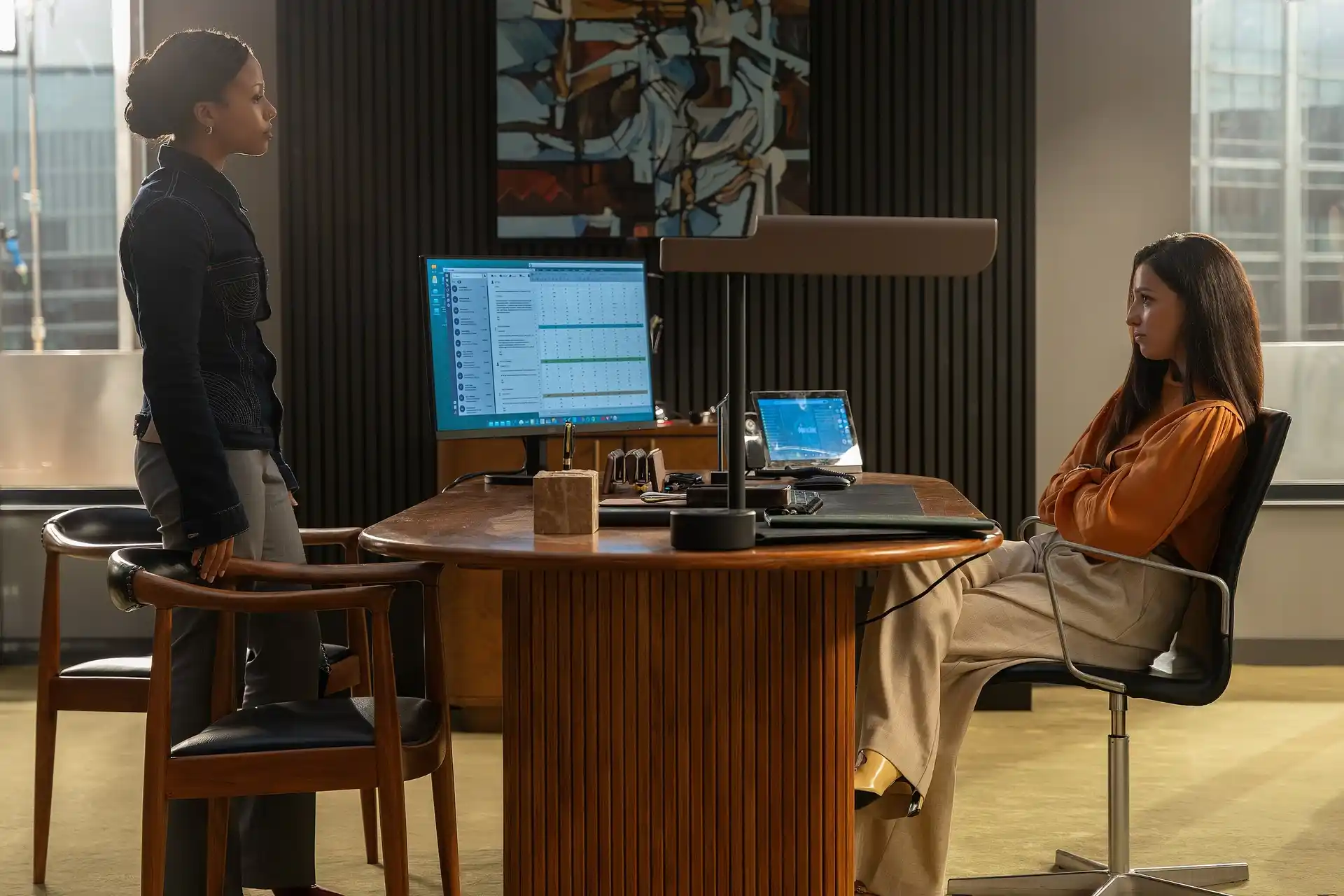
Beyond the personal dramas, Industry S4E6 Dear Henry delivered a masterclass in corporate intrigue and strategic warfare, largely orchestrated by Harper Stern. The episode's opening scene, with Harper summoning Yasmin to "Death Row," was a cinematic tour de force, deliberately echoing the iconic diner confrontation from Michael Mann’s Heat. This homage wasn't just stylistic; it amplified the gravitas of Harper's warning: Tender was collapsing, and Yasmin and Henry faced severe personal liability.
Harper, ever the ruthless tactician, used this encounter not just to inform but to manipulate. Her objective was clear: to accelerate Tender's downfall, potentially securing her own position while weakening Yasmin. Her stark pronouncement that Whitney "is not some hobbyist sociopath. He’s a f***ing criminal," served as a chilling revelation, stripping away any pretense of amateur ambition and exposing the true danger Whitney represents. Yasmin, hampered by her well-established ego and perhaps an enduring, complicated attachment to Henry, found herself caught in Harper's meticulously laid trap. Her inability to fully grasp the severity of her predicament, or Whitney's true nature, became a significant vulnerability that Harper expertly exploited.
This pivotal confrontation not only advanced the plot dramatically but also showcased the razor-sharp intellect and cutthroat ambition that define Harper. It was a stark reminder that in the world of Industry, loyalty is a fleeting commodity, and self-preservation is the ultimate driver. The episode brilliantly articulated the complex web of financial deceit and personal manipulation that fuels the series, cementing Harper's status as one of its most compelling, if morally ambiguous, protagonists.
To understand the full scope of Harper's calculated moves, check out our review: Industry S4E6 Review: Tender's Collapse & Harper's Ruthless Play.
The Lingering Questions: What Was Left on the Cutting Room Floor?
Despite its undeniable impact and exhilarating pace, Industry Season 4 Episode 6 Dear Henry left many viewers with a persistent sense of incompleteness. The feeling that "something was missing" or that "pieces of the puzzle were missing" wasn't merely a matter of wanting more; it spoke to a narrative disjointedness that occasionally detracted from the episode's overall coherence. This perceived lack of connective tissue between certain plot points, and the abruptness with which others were handled (like Rishi's exit), contributed significantly to the "fever dream" sensation. It's as if the show opted for a rapid-fire succession of high-impact scenes, sacrificing some of the intricate build-up and emotional payoff that viewers have come to expect.
Could these narrative gaps be a deliberate artistic choice, forcing the audience to grapple with ambiguity and fill in the blanks, mirroring the high-pressure, information-scant environment of finance? Or do they represent moments where the ambitious storytelling outpaced the practicalities of a single hour of television? Understanding a show's narrative intent often involves accepting that some answers are best left unsaid, allowing for greater interpretation and a more unsettling viewing experience. In 'Dear Henry,' this approach certainly amplified the chaos, but it also raised questions about whether certain character arcs, particularly the Henry and Whitney dynamic, received the full exploration they deserved.
In conclusion, Industry Season 4 Episode 6 Dear Henry was a potent, albeit perplexing, installment that pushed its characters to the brink and accelerated the series towards an explosive conclusion. It brilliantly showcased the ruthless machinations of the financial world and delivered gripping dramatic confrontations. While the episode's frenetic energy and disorienting pace contributed to its unique "fever dream" quality, the lingering sense of "missed moments" and unexplained transitions leaves an intriguing void. It's a testament to Industry's power that even its most jarring episodes compel us to dissect every scene, anticipating the next move in its captivating game of corporate survival and personal destruction.